Neurolinguistics and aphasia

Neurolinguistics and aphasia
The Neurolinguistics and Aphasia group focuses on the study of language comprehension, production and learning across a wide spectrum of populations from adult monolingual and bilingual speakers to language-impaired brain-damaged patients.
By using a variety of experimental methods (electrophysiology, eye tracking and behavioral paradigms), we investigate how basic syntactic structures and relations are built online, track their time course and electrophysiological correlates, and determine how these change at different stages of L2 learning or in the presence of language impairment.
Moreover, we develop standardized aphasia assessment tools that enable us to study how the breakdown of these core mechanisms can be reliably detected and treated in patients with brain damage.
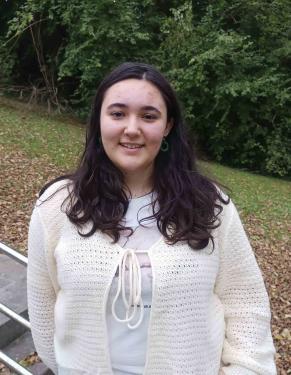
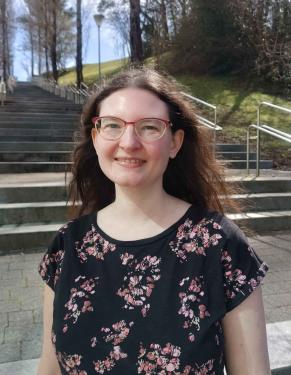
Our team




Publications
2027
2026
Are you interested in joining us?

We believe our diversity makes for better science
In BCBL we promote the professional development of all our staff members.
Take a look at our current job offers to join our team and participate in international research projects.
I want to work at the BCBL- Partners



- Promoter

- Proud to be




© 2026 BCBL All rights reserved
